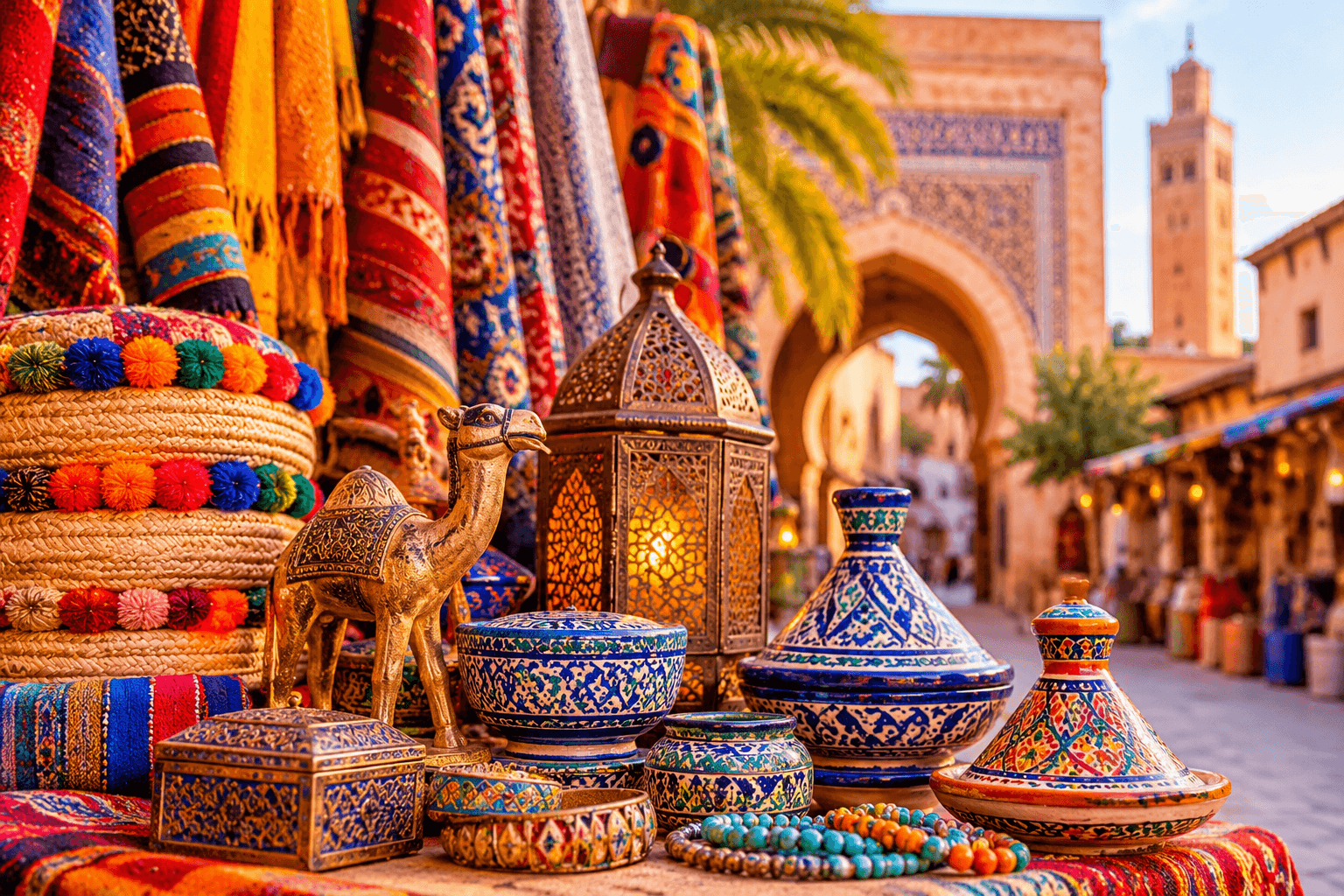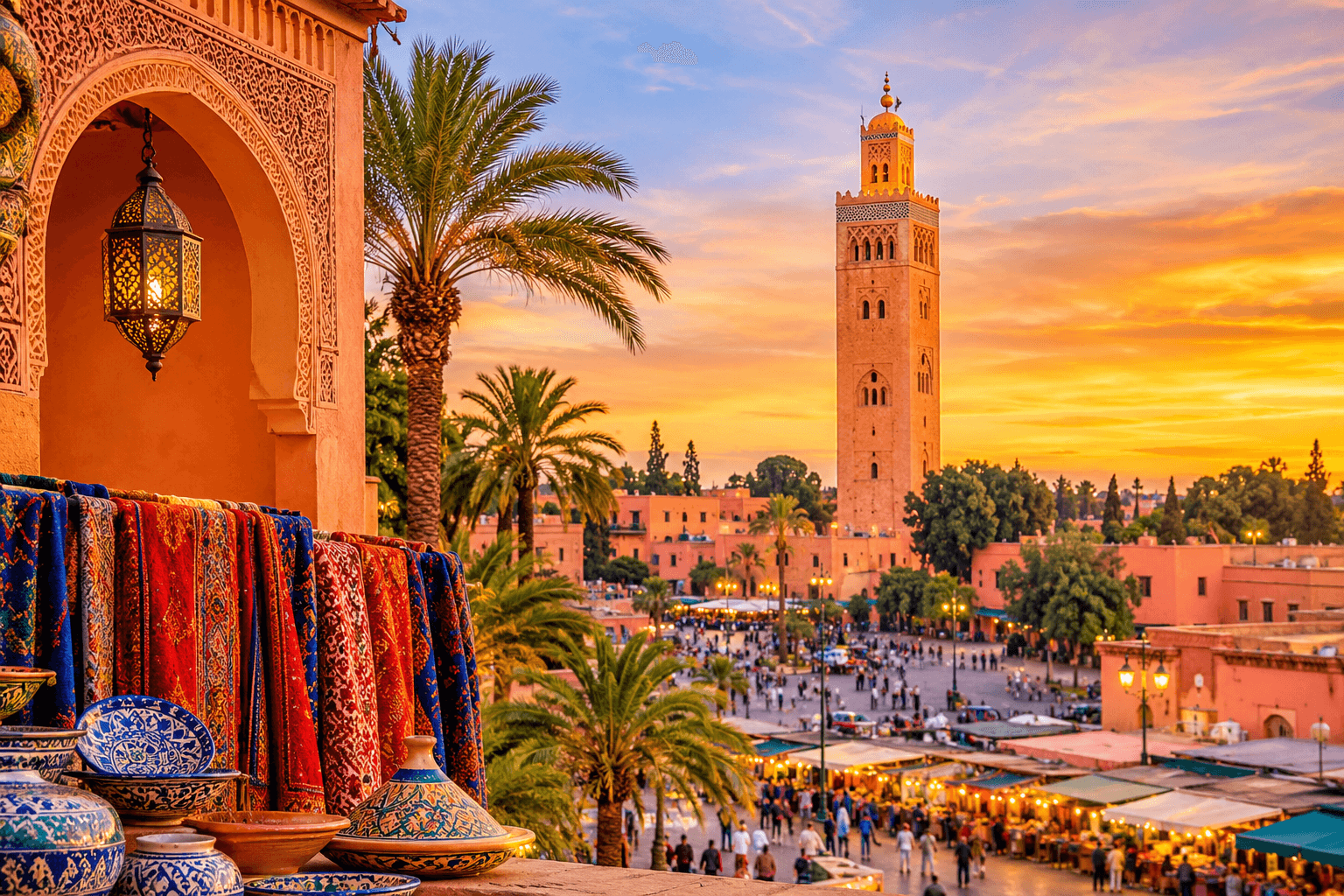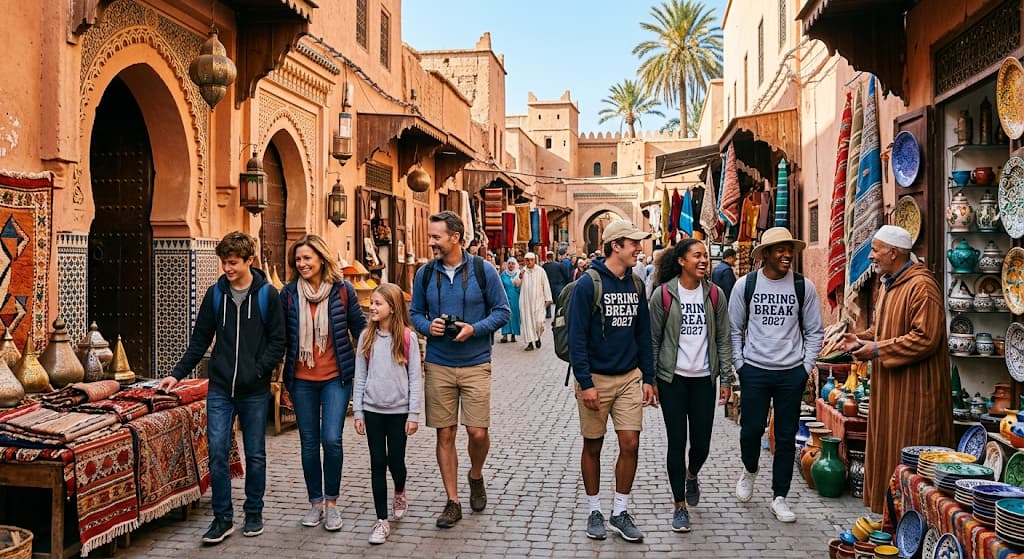
At first the idea feels a bit crazy. Then you can't stop thinking about it. Camels at sunset. Blue streets. A big old market where you forget your phone for hours.
We're Sahara Stars Tours. We live in Morocco, and we've shown guests around for years. Lots of them were Americans who weren't sure about the trip, just like you. So pour a glass of mint tea and read on. We'll cover when to go, how many days you need, and what a good 10 days looks like. We'll also talk about kids, and about friends who still have classes.
Why spring break 2027 is a great time to go
Spring is one of the best times to visit Morocco. The days are warm, but not too hot. The mountains are green. In the desert, the days feel nice and the nights are cool. That's perfect when you sleep in a camp between the dunes.
Here's one thing to know about 2027. Heads-up for 2027: Ramadan should start around early February and end in early March. Eid comes right after. The moon decides the exact days, so they can move a bit.
Most US spring breaks start in mid to late March, so you'll likely land just after it all ends. Morocco is a great place to visit any time of year. But during Ramadan, some shops and cafés open late or close for part of the day. If you want everything running as usual, look up the dates before you book flights. Not sure? Send us your break dates and we'll check them for you. We can check them with you.
A few more reasons spring works well:
- The flight is easy. You can fly direct from the US East Coast to Casablanca. From New York, it takes about 7 to 8 hours. Check the routes near you.
- Jet lag is mild. Many of our guests say it was gone by day three. Morocco is about 4 to 5 hours ahead of the US East Coast.
- Everything is close enough. Old cities, mountains, desert, and coast all fit in one trip if the route is planned well.
How many days do you need?
Here's our honest answer. Seven days gives you a taste. Ten days is the sweet spot. Fourteen days is a real journey.
Morocco is bigger than it looks on a map. The drive from the north to the Sahara is long. If you try to do it all in five or six days, you'll spend most of the time in a car. With ten days, you can see the big places and still breathe. You can walk around, eat slowly, and keep one day with no plans. A few days still have long drives, and we'll tell you which ones below.
That's why many US guests pick our Morocco 10-day tour.
Have less time? Try our 5-day tour for study abroad and Erasmus students. Have more time? Our 14-day Morocco Grand Tour adds the Atlantic coast and more free time.
A sample 10-day plan from Casablanca
This is the kind of trip we plan for spring break guests. We can change it to fit your group and your pace. Want all the details? See our 10-day tour from Casablanca.
Day 1: Casablanca
You land. A driver waits with a sign that has your name on it. Then you go to your hotel. If you have energy, visit the Hassan II Mosque. It is one of the biggest in the world, and part of it sits over the ocean. You visit it with a guide. If you're tired, just sleep. Both are fine.
Day 2: Rabat and Chefchaouen
Start the morning in Rabat, the calm capital. See the Kasbah of the Udayas and Hassan Tower. Then drive north into the Rif Mountains to the blue city. It's about 3 to 4 hours on the road.
Day 3: Chefchaouen
Go slow today. Walk the blue lanes. Find a great view. Look for woven blankets and pottery. Teens who say they don't care about photos often change their minds here.
Day 4: Volubilis, Meknes, and Fes
This is a full day. You'll see Roman ruins first. Then you'll visit the old royal city of Meknes. By night, you're in Fes.
Day 5: Fes
Explore one of the oldest and biggest medinas in the world with a local guide. You'll want a guide. The lanes twist like a maze, but it's a fun one.
Day 6: Fes to the Sahara
This is the longest drive of the trip. It takes about 8 to 9 hours with stops. You'll pass the Middle Atlas and its cedar forests. Then you reach the desert near Merzouga. At sunset, you ride a camel into camp.
Honest tip: Day 6 is tiring. Your back will feel it by the afternoon. Bring snacks, a neck pillow, and a good playlist. The sunset in the dunes makes up for it.
Day 7: Sahara sunrise and Dades Valley
Watch the dunes change color at dawn. Then drive toward Dades Valley and Todra Gorge.
A heads-up: desert camps are simple. The nights get cold, and sand gets into everything. That's part of the fun, so don't expect a fancy hotel.
Day 8: Ait Ben Haddou and the High Atlas
Stop at the kasbah. It is a UNESCO World Heritage site. Yes, you may know it from movies. Then cross the High Atlas Mountains to Marrakech.
Day 9: Marrakech
Stroll through the souks, palaces, and gardens. At night, enjoy the music and noise of Jemaa el-Fnaa.
Day 10: Back to Casablanca
A pretty drive takes you to your flight home.
Is that a lot? Yes, and we won't pretend it isn't. Can you do it? Of course. You won't drive, plan, or read a map. That's why we use a private driver and local guides.
Is Morocco safe for US families and students?
People ask us this the most, so here's a plain answer. Many Americans visit Morocco. With smart habits, it's a comfortable trip. Like any busy place, it has small problems. Watch for pickpockets, pushy sellers, and fake "guides" in the medinas.
Here's what helps most:
- Use a licensed local guide and driver. This takes away most of the stress. Meet our guides and drivers.
- Agree on prices first. This goes for taxis, tours, and shopping. Everyone is happier when the price is clear.
- Dress modestly. Cover your shoulders and knees, most of all outside big cities. It shows respect, and it keeps you cooler.
- Ask before you take photos of people. Most say yes. Some say no. Everyone likes to be asked.
- Check the travel advisory. Look up Morocco on travel.state.gov. Check it before you book and again before you fly.
- Sort out your entry papers early. A short visit usually doesn't need a visa for US citizens. Just check your passport's expiry date first. Then confirm the current rules with the State Department or the Moroccan embassy a few weeks before you leave.
Tips for traveling with kids or teens
Families are some of our favorite guests. A few small choices help a lot.
- Plan the long drives with care. The Sahara is worth it. Give younger kids breaks, snacks, and something fun to look forward to.
- Let kids join in. Try a cooking class, a camel ride, or a pottery class. Kids remember hands-on fun for years.
- Pick cozy places to stay. Riads are lovely. We can mix riads and hotels to fit your family.
- Pack for the road. Bring shows you have downloaded, a playlist, or a deck of cards. You'll be glad you did.
Want a kid-friendly pace? See our family tours in Morocco.
Tips for students and friends
Spring break with friends feels different. Morocco does it well.
- Share the cost. A private car and guide costs less per person than you might think when you split it.
- Mix big sights with free time. Sit on a rooftop café. Eat street food at night. Wander the souk with no plan.
- Sleep one night in the desert. It's the thing everyone posts about. The sky is full of stars because there are no city lights. It's hard to explain and hard to forget. See our Sahara desert tours.
- Look at student trips. Our study abroad and Erasmus student tour was made for university groups.
What to pack for Morocco in spring
Spring days can be warm. Evenings can be cool. Pack layers.
Our tip: pack less than you think. You'll want room in your bag for things you buy in the souk.
- Light clothes that cover shoulders and knees
- A warm layer for desert and mountain nights
- Comfy walking shoes (the medinas have lots of stones and steps)
- A scarf or hat, and sunscreen
- A small bag you can wear across your body
- Some Moroccan dirhams in cash for markets and tips, since many small shops don't take cards
- A portable charger and a universal plug adapter
Food you shouldn't skip
Morocco is one of the best food countries in the world. Kids and teens often love this part most. Try a slow-cooked tagine. Try couscous, which is a Friday meal. Grab fresh orange juice from a street cart. Have sweet pastries with mint tea. In Casablanca, eat fresh grilled fish by the sea.
Our tip: eat where the locals eat. If a small place is packed at lunch, that's a good sign. Does anyone in your group have special food needs? Tell your guide early. Moroccan hosts take food seriously, and they'll gladly help.
When to book for spring break 2027
Everyone wants the same weeks. The best riads, desert camps, and drivers fill up early. Start planning a few months ahead. Lock your dates first. Then book your flights. Then book your tour. Can you move your trip by a day or two? Tell us. One small change has saved a whole trip before.
Ready to plan your Morocco trip?
You don't have to plan it all alone. Tell us your dates, how many people are coming, and what matters most to you. Maybe it's the desert, the food, the history, the photos, or just time together. We'll build the trip around it.
Browse our Morocco tours · Plan your trip with our local team
Frequently asked questions
Is 10 days enough for Morocco?
Yes. Ten days is enough to see the old cities, the mountains, and the Sahara without rushing. Many first-time guests say it's their favorite length. See the 10-day tour.
Is spring a good time to visit Morocco?
Yes. Spring is one of the nicest seasons. The cities feel mild, and the desert feels good. Just check the 2027 Ramadan dates against your break.
Can I do a Morocco tour with kids?
Yes. Many of our guests are families. We change the pace, the hotels, and the fun to fit your kids' ages. See our family tours.
Do I need a private tour, or can I go on my own?
You can do either. A private tour with a licensed driver and guide takes the stress out of long drives, medina mazes, and planning. That helps a lot if it's your first trip or you have kids.
Where do I start my trip?
Most US travelers fly into Casablanca. That's why our 10-day route starts and ends there. See the 10-day tour from Casablanca.
Enjoyed this article?
Share it with fellow Morocco enthusiasts!